Introduction
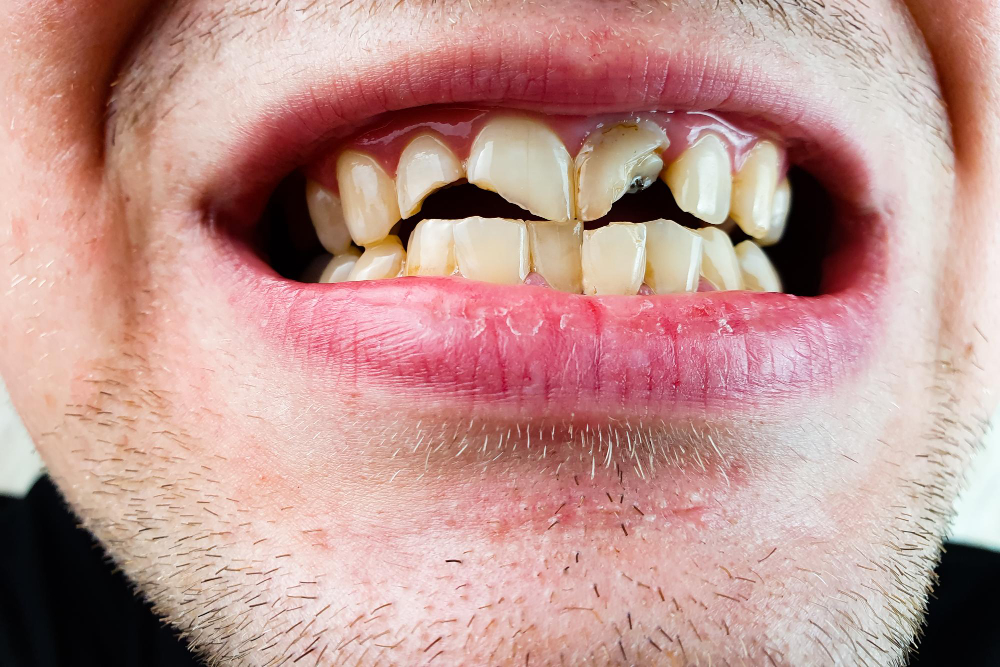
Dental trauma happens when your teeth are injured, often resulting in chipped or broken teeth. This type of injury can occur suddenly and may cause pain, bleeding, or swelling. Because dental trauma can lead to long-term problems, prompt care is important. If you have a chipped or broken tooth, knowing what to do next can help protect your smile and health.
What is Dental Trauma?
Dental trauma refers to any injury to the teeth, gums, or mouth. Most often, it involves chipped or broken teeth. These injuries can affect people of all ages. However, children and athletes are at higher risk. Dental trauma can range from minor chips to severe breaks or even tooth loss. Quick action can help prevent further damage.
Common Causes of Chipped or Broken Teeth
Many things can cause dental trauma. Some of the most common reasons include:
Because these causes are common, it is important to stay alert and protect your teeth during risky activities.
Symptoms of Dental Trauma
After a dental injury, you may notice several signs. Watch for these symptoms:
If you notice any of these, seek dental care soon.
Immediate Steps to Take After a Dental Injury
Acting quickly can help save your tooth. Here are some first-aid steps:
Because quick action matters, do not delay in getting help.
Diagnosis and When to See a Dentist
After a dental trauma, a dentist will examine your mouth. They may use X-rays to check for hidden damage. If you have severe pain, bleeding, or a loose tooth, seek urgent care. Also, if a large part of the tooth is missing or you cannot close your mouth properly, see a dentist immediately. Early diagnosis helps prevent infection and further injury.
Treatment Options for Chipped or Broken Teeth
Treatment for broken teeth depends on the injury. Your dentist may suggest:
Because each case is different, your dentist will choose the best option for you. According to the experts, early treatment improves outcomes.
Prevention Tips
Preventing dental trauma is possible with a few simple steps:
Because prevention is easier than treatment, make these habits part of your routine.
Lifestyle and Home Care Guidance
After dental trauma, caring for your teeth at home is important. Here are some tips:
With proper care, most people recover well from chipped or broken teeth.
Conclusion
Dental trauma, such as chipped or broken teeth, can be scary. However, quick action and the right care make a big difference. If you experience dental trauma, consult a dentist promptly for personalized care. Your smile is worth protecting.