What Are Impacted Teeth?
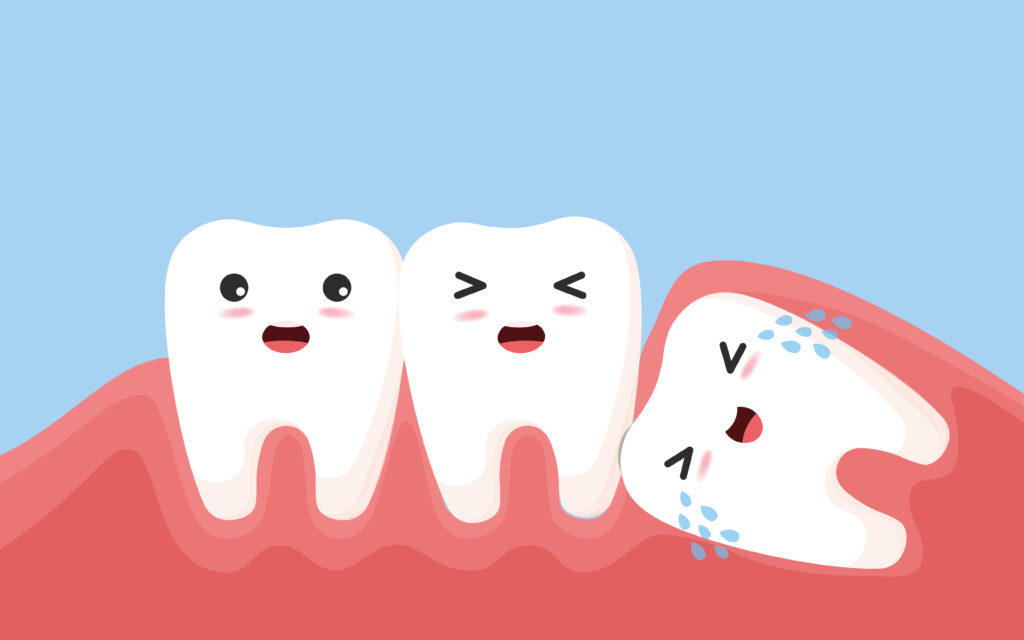
Impacted teeth are teeth that do not fully emerge through the gums. Usually, this happens with wisdom teeth, but it can affect other teeth too. Sometimes, teeth get stuck because there is not enough space in the mouth. As a result, they may grow at an angle or stay trapped under the gum. For many people, this can cause pain or other dental problems. Therefore, the surgical removal of impacted teeth is often needed to protect oral health.
Symptoms and Causes of Impacted Teeth
Impacted teeth may not always cause symptoms. However, you might notice some signs if a tooth is stuck. For example, you may feel pain or swelling in your gums. In some cases, you could have trouble opening your mouth. Other symptoms include:
There are several causes for impacted teeth. Most often, the mouth is too small for the tooth to come in. Sometimes, teeth grow in the wrong direction. In addition, baby teeth that do not fall out on time can block new teeth. Genetics can also play a role. According to the experts, wisdom teeth are the most common teeth to become impacted.
Diagnosis: How Dentists Identify Impacted Teeth
First, your dentist will ask about your symptoms. Next, they will examine your mouth and gums. Often, they use dental X-rays to see teeth below the gum line. X-rays help dentists find teeth that are stuck or growing sideways. Sometimes, a dentist may use other scans for a clearer view. Early diagnosis is important because it can prevent more serious problems. If you have pain or swelling, you should see your dentist soon.
Why Surgical Removal May Be Needed
Not all impacted teeth need surgery. However, many do because they can cause problems. For instance, impacted teeth may lead to infection, tooth decay, or gum disease. Sometimes, they push against other teeth and cause crowding. In rare cases, cysts or tumors can form around the impacted tooth. Because of these risks, dentists often recommend surgical removal of impacted teeth. Removing the tooth can prevent pain and protect your oral health.
The Surgical Removal Procedure: Step-by-Step
Surgical removal of impacted teeth is a common oral surgery. Here is what you can expect during the procedure:
The whole process usually takes less than an hour. However, it may take longer if the tooth is hard to reach.
Recovery and Aftercare Tips
After impacted tooth surgery, recovery is important. Most people heal within a week. To help your mouth heal, follow these tips:
Because every person heals differently, always follow your dentist’s advice. If you notice heavy bleeding, severe pain, or signs of infection, contact your dentist right away.
Risks and Possible Complications
Although surgical removal of impacted teeth is safe, there are some risks. For example, you may have swelling, pain, or bleeding after surgery. In rare cases, infection can occur. Other possible complications include:
Most side effects are mild and go away with time. However, you should call your dentist if you have concerns. The dental experts agree that following aftercare instructions lowers your risk of problems.
Prevention and Oral Health Guidance
While you cannot always prevent impacted teeth, good oral care helps. For instance, visit your dentist regularly for check-ups and X-rays. Early detection can stop problems before they start. In addition, brush and floss your teeth every day. Eat a healthy diet and avoid sugary snacks. If you have a family history of impacted teeth, tell your dentist. They can watch for early signs and plan treatment if needed.
In summary, surgical removal of impacted teeth is a safe and common procedure. It can prevent pain, infection, and other dental issues. For more information or to discuss your options, consult a dental specialist for personalized advice on impacted teeth and surgical options.