Introduction
Dry mouth, also called xerostomia, happens when your mouth does not make enough saliva. Saliva keeps your mouth moist and helps with chewing, swallowing, and speaking. However, when you have dry mouth, these simple tasks can become hard. Because dry mouth (xerostomia) can affect your health and comfort, it is important to know its causes and how to manage it. In this blog, we will explore the most common causes of dry mouth, its symptoms, and helpful tips to prevent or manage it.
What Is Dry Mouth (Xerostomia)?
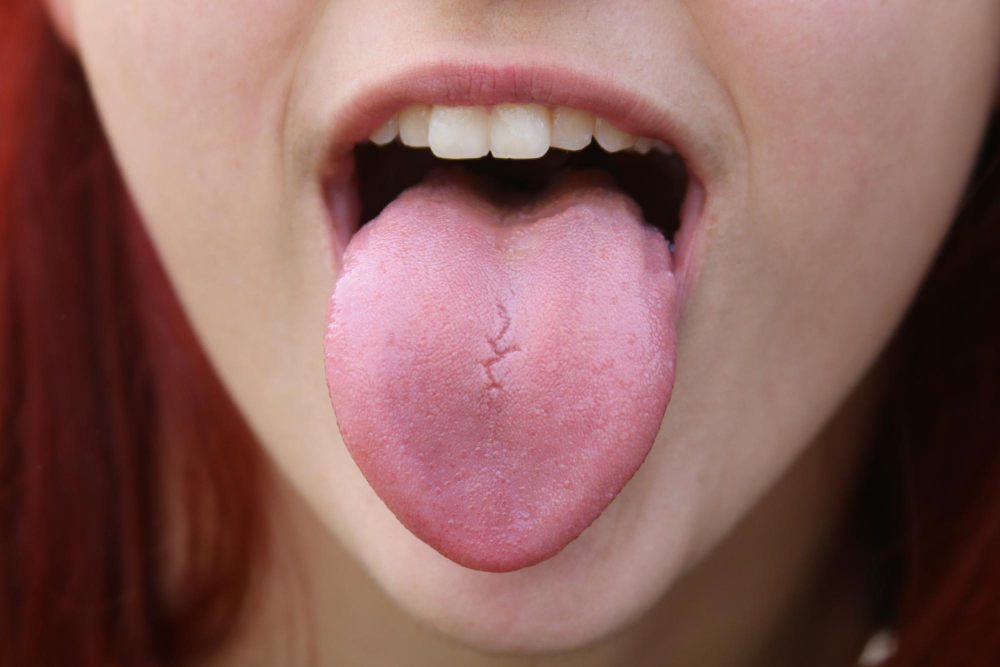
Dry mouth, or xerostomia, is a condition where your mouth feels dry and sticky. Usually, this happens because your body is not making enough saliva. Saliva is important because it helps clean your mouth, protects your teeth, and makes eating easier. Without enough saliva, you may notice a dry feeling, trouble swallowing, or even bad breath. Sometimes, dry mouth can also cause a sore throat or a burning feeling on your tongue.
Why Does Dry Mouth Occur?
There are many reasons why dry mouth can happen. Often, it is a side effect of something else, like medicine or a health problem. Sometimes, it can be due to lifestyle choices or aging. Because saliva is made by glands in your mouth, anything that affects these glands can lead to dry mouth. Understanding the reasons behind dry mouth can help you find the right solution.
Most Common Causes of Dry Mouth
Many things can cause dry mouth. Below are the most common causes:
According to the experts, these causes are the most common reasons people experience dry mouth.
When to See a Dentist
Sometimes, dry mouth is just a minor problem. But if it lasts for more than a few days, you should see a dentist. For example, if you have trouble eating, swallowing, or speaking, it is important to get help. Also, if you notice sores, tooth decay, or a burning feeling in your mouth, do not wait. Early treatment can prevent bigger problems later. If you are looking for dry mouth treatment in your city, a dental specialist can help you find the best care.
Tips to Prevent or Manage Dry Mouth
There are simple steps you can take to help with dry mouth. Here are some tips:
These tips can help you feel better and protect your teeth and gums.
Conclusion
In summary, dry mouth (xerostomia) can have many causes, from medicines to lifestyle habits. Because it can affect your comfort and health, it is important to know what causes it and how to manage it. If you experience persistent dry mouth, consult a dental specialist for personalized advice.