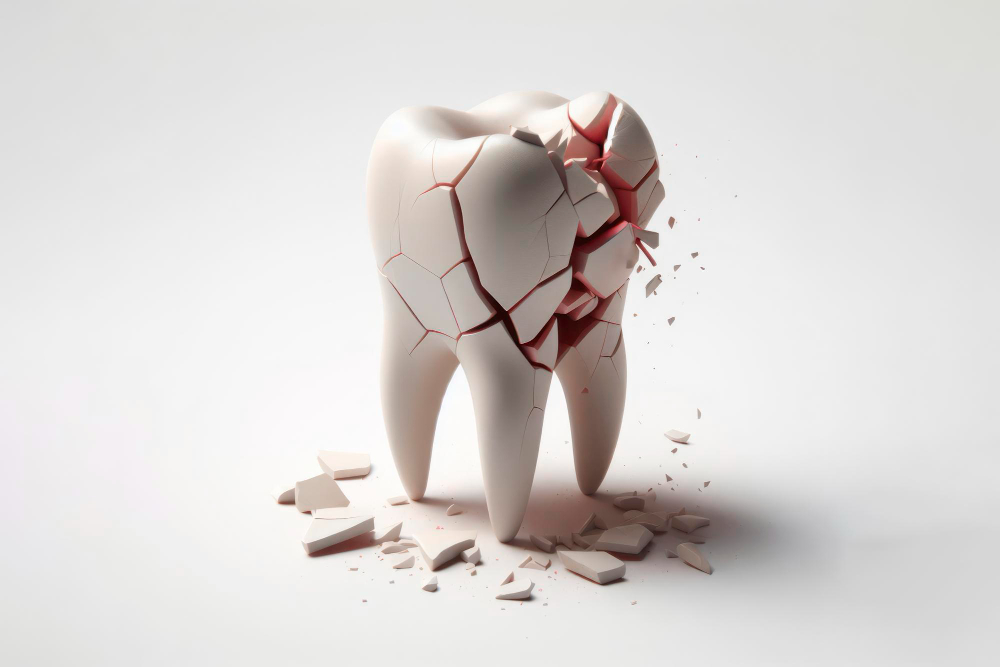
Tooth fracture is a common dental problem. It happens when a tooth cracks, chips, or breaks. Many people experience a tooth fracture due to accidents, biting hard foods, or dental trauma. Because a cracked tooth can cause pain and lead to more serious issues, it is important to know the signs and what to do next. Early care can help save your tooth and prevent further damage.
What is a Tooth Fracture?
A tooth fracture means a tooth has a crack, split, or break. Sometimes, the crack is small and hard to see. Other times, the tooth may break into pieces. Even a tiny crack can cause pain or sensitivity. For this reason, dentists take tooth fractures seriously. The damage can affect the outer layer (enamel), the middle layer (dentin), or even the inner part (pulp) of the tooth.
Common Causes of Tooth Fractures
Many things can lead to a tooth fracture. Often, it happens suddenly. However, some cracks develop slowly over time. Here are some common causes:
Symptoms of a Tooth Fracture
Sometimes, a tooth fracture is easy to spot. Other times, the signs are mild. Still, it is important to watch for symptoms, as early treatment can help. Common symptoms include:
How Tooth Fractures are Diagnosed
Dentists use several methods to diagnose a tooth fracture. First, they will ask about your symptoms and examine your mouth. Next, they may use special lights or dyes to spot cracks. X-rays can help, but sometimes small cracks do not show up. In addition, your dentist may ask you to bite down on something to see if it causes pain. Because early diagnosis is key, regular dental check-ups are important.
Treatment Options for Tooth Fractures
Treatment depends on the type and size of the fracture. Your dentist will choose the best option to save your tooth. Common treatments include:
Because every case is different, your dentist will explain the best plan for you. Quick treatment can prevent infection and further damage.
Prevention Tips for Tooth Fractures
While not all tooth fractures can be avoided, you can lower your risk. Try these tips to protect your teeth:
When to See a Dentist
If you think you have a tooth fracture, do not wait. Even small cracks can get worse. You should see a dentist right away if you have:
Early care can save your tooth and prevent more serious problems. Emergency dental care is important for sudden injuries or severe pain.
Consult a dentist for personalized advice if you suspect a tooth fracture.