Introduction
Gum disease, also called gingivitis or periodontitis, affects many people worldwide. In fact, the experts reports that almost half of adults over 30 have some form of gum disease. Healthy gums are important because they support your teeth and help you eat, speak, and smile with confidence. However, gum disease can lead to pain, tooth loss, and other health problems if not treated. For this reason, understanding how professional dental cleaning helps your gums is key to gum disease prevention and care.
What Is Gum Disease? (Symptoms and Causes)
Gum disease is an infection of the tissues that hold your teeth in place. It starts as gingivitis, which is mild and causes red, swollen gums that may bleed. If not treated, it can become periodontitis, a more serious form that can damage the bone supporting your teeth.
Usually, gum disease is caused by plaque, a sticky film of bacteria on your teeth. If plaque is not removed, it hardens into tartar, which can only be cleaned by a dental professional. Other risk factors include smoking, diabetes, poor oral hygiene, and certain medications.
Why Professional Dental Cleaning Matters
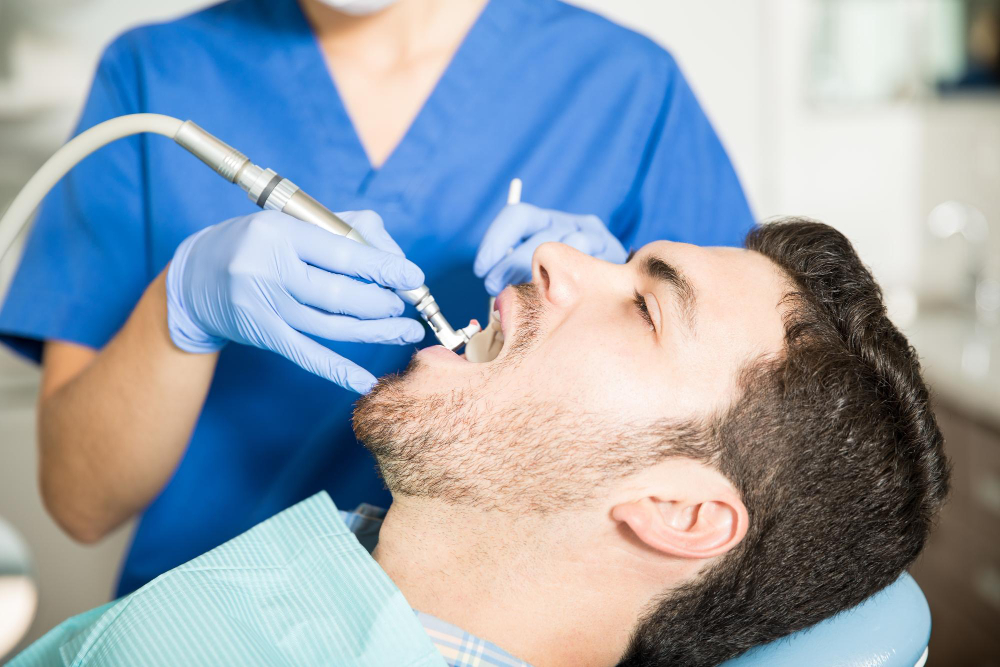
Professional dental cleaning is more than just a simple polish. It removes plaque and tartar that brushing and flossing at home cannot reach. As a result, it lowers your risk of gum disease and keeps your mouth healthy. In addition, regular cleanings help your dentist spot early signs of gum problems before they get worse.
According to the experts, visiting your dentist for cleanings every six months is one of the best ways to prevent gum disease and tooth loss.
How Dental Cleaning Prevents and Manages Gum Disease
Professional dental cleaning plays a big role in gum disease prevention and treatment. Here’s how it helps:
For people with periodontitis, deeper cleaning methods like scaling and root planing may be needed. These treatments help manage gum disease and prevent further damage.
What to Expect During a Professional Dental Cleaning
Knowing what happens during a dental cleaning can help you feel at ease. Typically, your visit will include:
After the cleaning, your dentist may give you tips for healthy gums and suggest when to return for your next visit.
Tips for Maintaining Healthy Gums After Cleaning
After a professional cleaning, it is important to care for your gums at home. Here are some healthy gums tips:
With these steps, you can keep your gums healthy and lower your risk of gum disease returning.
Prevention: Lifestyle and Home Care Guidance
Preventing gum disease is easier than treating it. Therefore, make these habits part of your daily routine:
By following these gum disease prevention tips, you can protect your smile for years to come.
Conclusion
Professional dental cleaning is a simple but powerful way to prevent and manage gum disease. It keeps your gums healthy, helps treat gingivitis, and supports periodontitis care. For best results, combine regular cleanings with good home care and healthy habits. Consult your dentist for personalized advice on gum disease prevention and treatment.