Introduction: What Are Dental Implants?
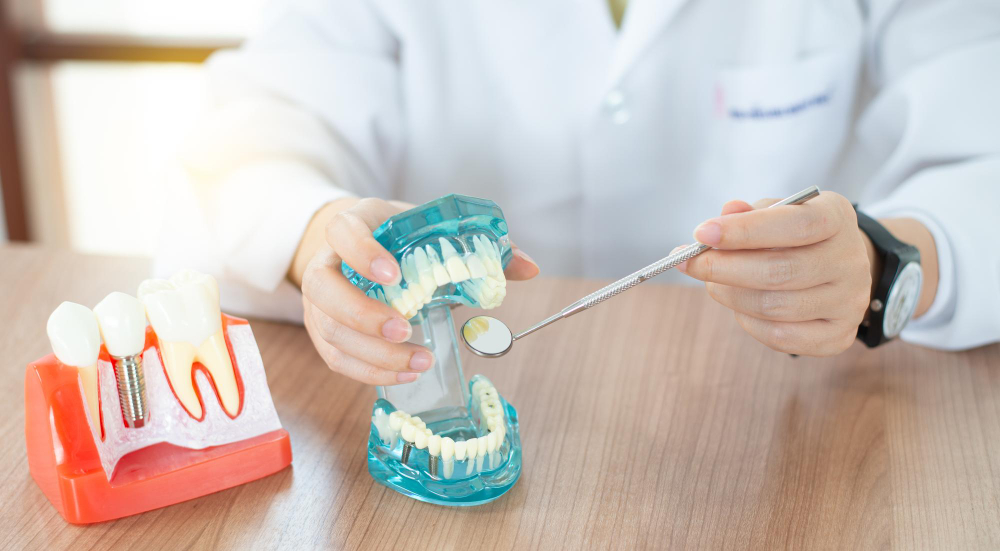
Dental implants are a popular way to replace missing teeth. In fact, many people choose them for their natural look and feel. A dental implant is a small post, usually made of titanium, that acts as a tooth root. Dentists place it in your jawbone, and then attach a crown on top. Because dental implants are safe and long-lasting, they are a top choice for many patients. However, there are still many dental implant myths that can cause confusion. Let’s clear up the facts.
Debunking Common Myths About Dental Implants
Many people hear stories about dental implants that are not true. Below are some common myths and the real facts behind them.
Facts and Benefits of Dental Implants
Now that we have addressed the myths, let’s look at the real benefits of dental implants. For example, dental implants:
Because dental implants are fixed in place, you can eat your favorite foods with confidence. Also, they help keep your smile healthy and strong.
What to Expect: The Dental Implant Procedure
Many people wonder what happens during a dental implant procedure. First, your dentist will check your mouth and take X-rays. Next, they will place the implant post into your jawbone. After a few months, when the bone heals, the dentist adds an abutment and a crown. The whole process may take several months, but most patients say it is worth the wait. During each step, your dentist will guide you and answer your questions.
Who Is a Good Candidate for Dental Implants?
Not everyone is a candidate for dental implants. However, you may be a good fit if you:
Even if you have some health issues, your dentist can help you decide if implants are right for you. Sometimes, extra steps like bone grafting may be needed.
Are Dental Implants Safe and Effective?
Dental implants are very safe when placed by a trained dentist. According to studies in dental journals, the success rate is over 95%. In addition, most people enjoy their implants for many years. With proper care, implants can last a lifetime. Importantly, dental implants do not harm nearby teeth. They also help keep your jawbone strong. If you have concerns, talk to your dentist about your health and any risks.
Tips for Caring for Dental Implants
Good oral hygiene is key to keeping your dental implants healthy. Here are some simple tips:
Because implants act like real teeth, caring for them is easy. If you notice any pain or swelling, contact your dentist right away.
How to Prevent Dental Implant Failure
Although dental implants are reliable, problems can happen. To prevent implant failure, follow these steps:
With these habits, you can enjoy your dental implants for many years.
Conclusion: Talk to Your Dentist
Dental implants are a safe and effective way to restore your smile. Now that you know the facts and benefits, you can make an informed choice. If you have questions or want to know if dental implants are right for you, consult a qualified dentist. Your healthy smile is worth it!