What is Malocclusion in Children?
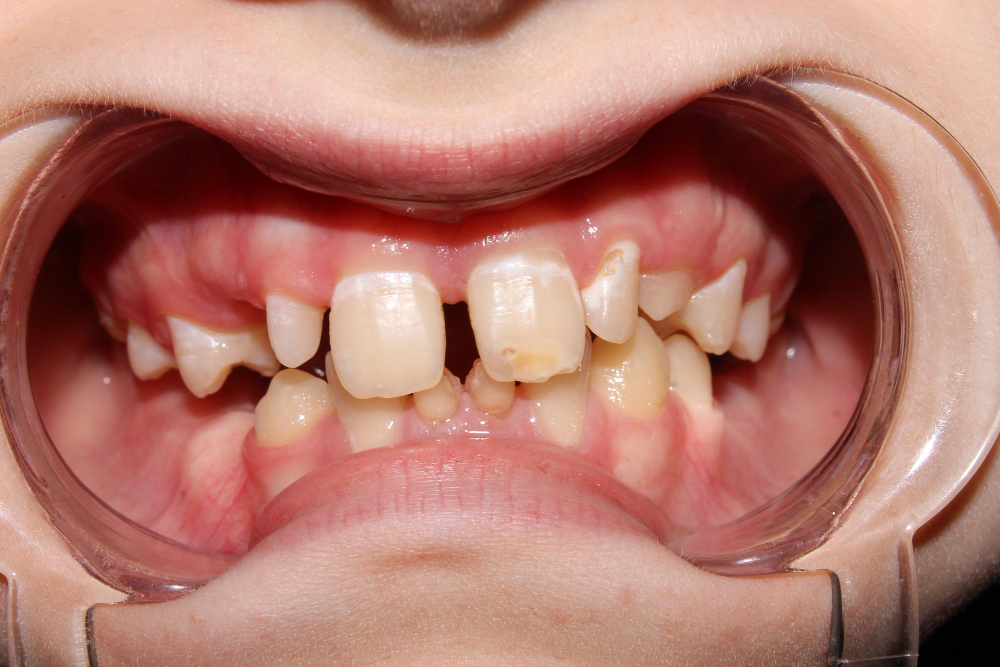
Malocclusion in children means the teeth or jaws do not line up properly. This is also called misaligned teeth. Often, children with malocclusion may have crooked, crowded, or overlapping teeth. Sometimes, the upper and lower teeth do not meet as they should. As a result, this can affect chewing, speech, and even self-confidence. According to the experts, many children show early signs of malocclusion by age seven. Early care can help prevent bigger problems later.
Early Signs of Malocclusion
Spotting early signs of misaligned teeth is important. Early detection allows for timely child dental care for malocclusion. Look for these signs:
If you notice any of these, it may be time to see a dentist. Early action can make treatment easier.
Causes of Malocclusion in Children
Many factors can cause malocclusion in children. Some are natural, while others are due to habits or injuries. Here are common causes:
Because some causes are preventable, early awareness helps reduce risks.
Diagnosis and When to See a Dentist
Early diagnosis is key for child dental care for malocclusion. Dentists can spot problems during routine check-ups. Usually, they will:
If your child has trouble chewing, speaking, or closing their mouth, see a dentist soon. Early visits help plan the best treatment for misaligned teeth in kids.
Treatment Options for Malocclusion
Treatment for misaligned teeth in kids depends on the type and severity. Often, early care leads to better results. Common treatments include:
Sometimes, dentists may suggest waiting and watching if the problem is mild. However, regular check-ups are important to track changes.
Home Care and Prevention Tips
Good habits at home can help prevent or reduce malocclusion in children. Try these tips:
With these steps, you can support your child’s dental health and reduce the risk of misaligned teeth.
Frequently Asked Questions (FAQs)
Conclusion and Next Steps
In summary, malocclusion in children is common but treatable. Early signs like crooked teeth or trouble chewing should not be ignored. Because early care leads to better results, regular dental check-ups are important. If you notice any signs of misaligned teeth, consult your dentist or orthodontist. They can guide you on the best steps for your child’s healthy smile.