What Is a Cracked Tooth?
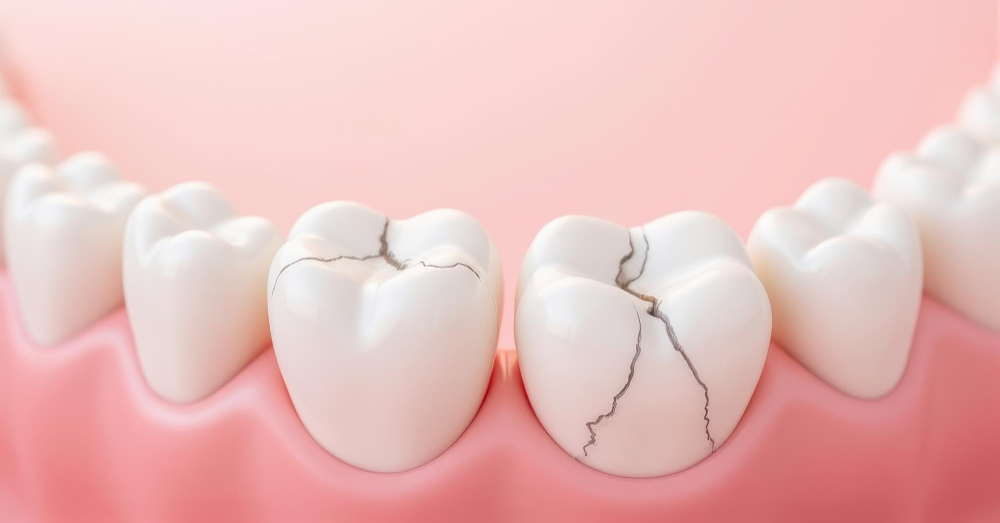
A cracked tooth happens when a tooth develops a small or large split. Often, you may not notice it right away. However, you might feel pain when chewing or notice sensitivity to hot or cold foods. Sometimes, the crack is visible, but it can also be hidden. Early signs include pain when biting, swelling around the tooth, or discomfort that comes and goes. If you notice these symptoms, it is important to seek help quickly.
Causes of Cracked Teeth
Many things can cause a cracked tooth. For example, biting down on hard foods like ice or nuts can lead to cracks. In addition, accidents or injuries to the mouth may cause teeth to crack. Teeth grinding, also called bruxism, puts extra pressure on teeth and can cause cracks over time. Sometimes, large fillings or age-related wear make teeth more likely to crack.
Importance of Early Diagnosis
Early diagnosis of a cracked tooth is very important. If you wait too long, the crack can get worse. As a result, you may need more complex treatment. Early care helps save your tooth and reduces pain. Dentists use special tools and X-rays to find cracks. Therefore, regular dental checkups help catch problems early.
Dental Restoration Options for Cracked Teeth
There are several ways to fix a cracked tooth. The best treatment depends on the size and location of the crack. Your dentist will suggest the right option for you. Here are common dental restoration options:
Step-by-Step Overview of Restoration Procedures
Each dental restoration for cracked teeth follows a clear process. Here is what you can expect:
For root canal treatment, the dentist removes the damaged pulp, cleans the inside, and seals the tooth. If extraction is needed, the dentist will remove the tooth and discuss replacement options.
Recovery Tips and Aftercare
After cracked tooth treatment, proper care helps you heal faster. Here are some helpful tips:
Most people recover quickly. However, if you feel pain, swelling, or notice any problems, contact your dentist right away.
Prevention Strategies for Cracked Teeth
Preventing a cracked tooth is easier than treating one. You can protect your teeth by following these steps:
By taking these steps, you lower your risk of cracked teeth and keep your smile healthy.
When to See a Dentist
If you think you have a cracked tooth, do not wait. Early treatment can save your tooth and prevent more problems. See a dentist if you notice:
For those searching for “how to fix a cracked tooth” or “find a dentist near you,” it is best to act quickly. Dentists have the tools and training to help you recover.
Conclusion
In summary, a cracked tooth can cause pain and lead to bigger dental problems. Early diagnosis and the right dental restoration for cracked teeth are key to a healthy mouth. If you suspect a cracked tooth, consult a dentist promptly for personalized care.
Sources: American Dental Association (ADA), Centers for Disease Control and Prevention (CDC), World Health Organization (WHO)