Introduction
Good oral health is important for everyone. Many people wonder about flossing vs mouthwash and which is better for keeping teeth and gums healthy. Flossing means cleaning between your teeth with a thin string. Mouthwash is a liquid you swish in your mouth to kill germs and freshen breath. Both help remove food and bacteria. However, they work in different ways. In this blog, we will compare flossing and mouthwash to help you choose the best way to clean between teeth.
How Flossing Works
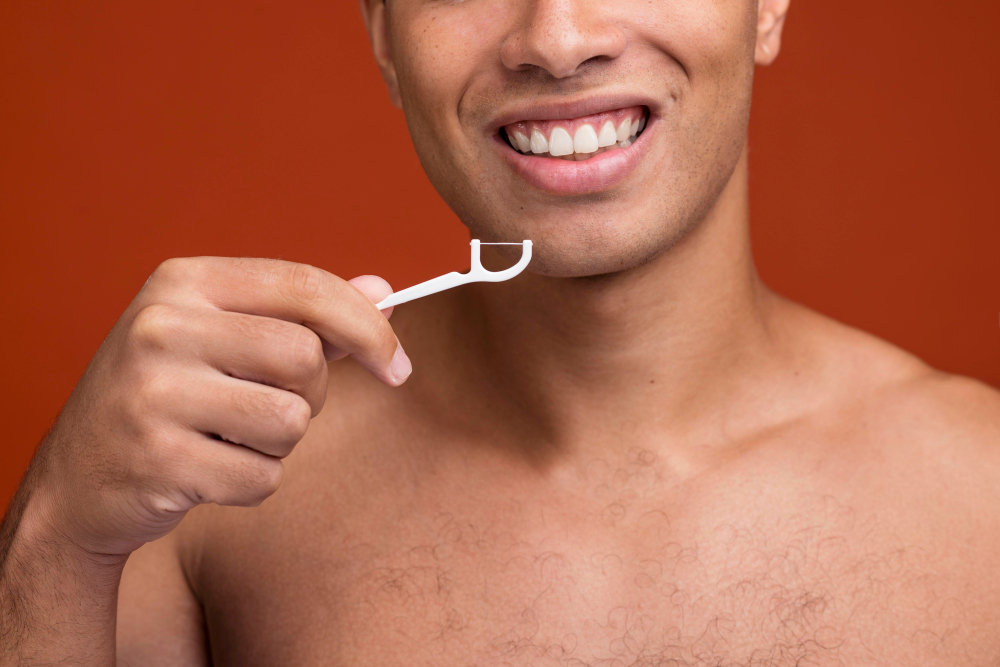
Flossing uses a thin piece of string to clean between teeth. You slide the floss gently up and down between each tooth. This removes food and sticky plaque that a toothbrush cannot reach. Plaque is a film of bacteria that can cause cavities and gum disease. According to the CDC, flossing helps prevent these problems. For best results, floss once a day, usually before brushing. If you have braces or dental work, special flossers can help. Flossing is safe for most people, but you should be gentle to avoid hurting your gums.
How Mouthwash Works
Mouthwash is a liquid used to rinse your mouth. There are two main types:
Most mouthwashes contain alcohol or other chemicals to kill germs. Some also have fluoride to help prevent cavities. You should use mouthwash after brushing and flossing, not as a replacement. Swish the liquid for about 30 seconds, then spit it out. Mouthwash can help reach places your brush and floss may miss. However, it does not remove food stuck between teeth.
Flossing vs Mouthwash: Key Differences
Both flossing and mouthwash help keep your mouth clean. But they have different strengths and weaknesses. Here is a quick comparison:
While flossing targets the spaces between teeth, mouthwash covers the whole mouth. However, mouthwash alone cannot replace flossing. Each method has its own role in oral hygiene.
Which Is Better?
Many experts, including the American Dental Association, say flossing is the best way to clean between teeth. Flossing removes plaque and food that can lead to cavities and gum disease. Mouthwash is helpful, but it works best as an extra step. Studies show that using both floss and mouthwash gives the best results. However, if you must choose one, flossing is more important for gum health. Still, mouthwash can be useful for people with braces or trouble flossing. Always ask your dentist for advice based on your needs.
Tips for Daily Oral Hygiene
For a healthy mouth, follow these simple oral hygiene tips:
By following these steps, you can keep your teeth and gums healthy. Remember, good habits make a big difference.
Conclusion
In summary, both flossing and mouthwash help with oral health. Flossing is the best way to clean between teeth and prevent gum disease. Mouthwash adds extra protection by killing germs and freshening breath. For the best results, use both as part of your daily routine. However, if you have questions or special needs, consult your dentist for personalized oral hygiene advice.