What is Tooth Decay (Cavities)?
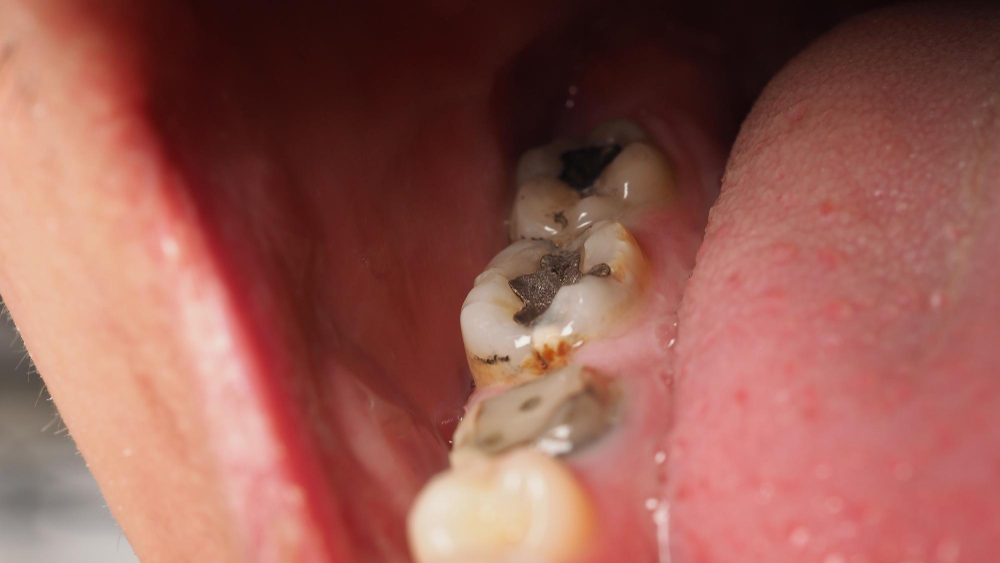
Tooth decay, also called cavities, is a common dental problem. It happens when the hard surface of your tooth breaks down. Over time, this can lead to holes or pits in your teeth. Because tooth decay can cause pain and infection, it is important to prevent it early. Many people do not notice cavities until they become serious. However, regular dental care can help stop them before they start.
Symptoms and Causes of Tooth Decay
Often, tooth decay starts without any signs. But as it gets worse, you may notice:
Tooth decay happens when bacteria in your mouth feed on sugars from food and drinks. As a result, these bacteria make acids that attack your teeth. Over time, the acid wears away the enamel, which is the hard outer layer. If not treated, decay can reach deeper parts of the tooth and cause more damage.
How Fluoride Works to Prevent Cavities
Fluoride in cavity prevention is well known. But how does it work? First, fluoride helps rebuild and strengthen tooth enamel. This process is called remineralization. When you use fluoride, it makes your teeth more resistant to acid attacks. In addition, fluoride can stop early decay from turning into a cavity. According to the Centers for Disease Control and Prevention (CDC), fluoride also slows down the growth of harmful bacteria in your mouth. Because of these benefits, fluoride is a key part of tooth decay prevention.
Sources of Fluoride
There are several ways to get fluoride for cavity prevention. Some of the most common sources include:
Because fluoride is found in many products, it is easy to include it in your daily routine.
Safety and Effectiveness of Fluoride
Fluoride safety is supported by many health organizations, including the World Health Organization (WHO) and the Centers for Disease Control and Prevention (CDC). When used as directed, fluoride is safe for both children and adults. In fact, studies show that communities with fluoridated water have fewer cavities. However, too much fluoride can cause mild white spots on teeth, called dental fluorosis. This is rare and usually only happens in young children. Therefore, always follow your dentist’s advice on fluoride use.
Tips for Using Fluoride to Protect Your Teeth
To get the most fluoride benefits for teeth, try these simple tips:
Because everyone’s needs are different, your dentist can help you choose the best fluoride products.
Prevention and Lifestyle Guidance
Besides using fluoride for cavity prevention, you can take other steps to keep your teeth healthy. For example, limit sugary snacks and drinks. Instead, choose water, milk, or unsweetened drinks. In addition, eat a balanced diet rich in fruits and vegetables. Floss daily to remove food and plaque between teeth. Most importantly, see your dentist regularly for cleanings and advice. By following these tooth decay prevention tips, you can enjoy a healthy smile for life.
Consult your dentist for personalized advice on fluoride use and cavity prevention.