
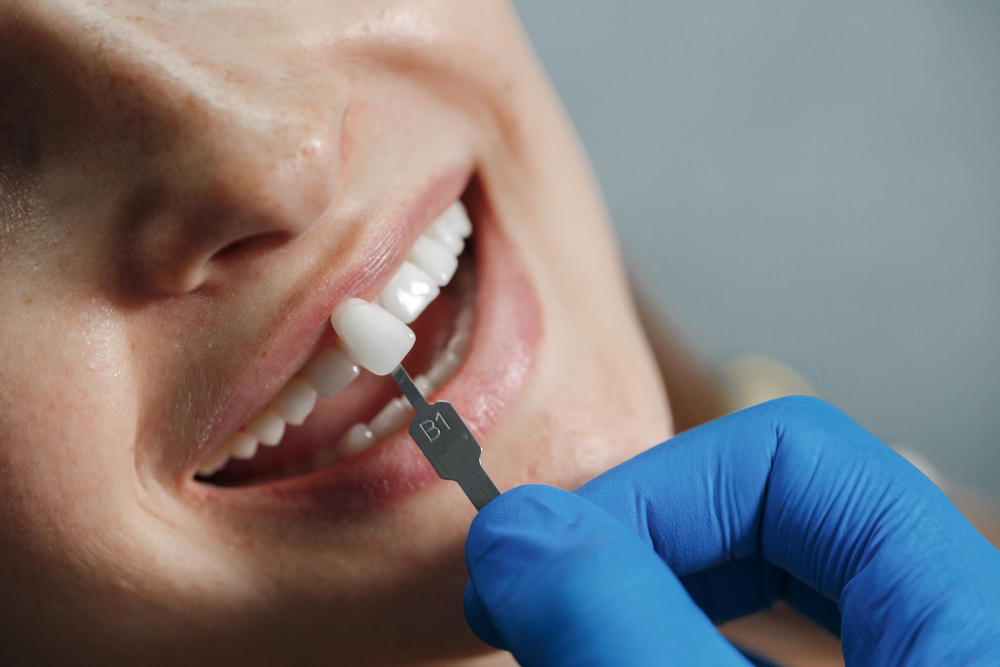
What Are Veneers?
Veneers are thin covers placed on the front of teeth. They help improve the look of your smile. Many people choose veneers to fix chipped, stained, or uneven teeth. Because veneers look natural, they are a popular choice for a brighter smile. Dentists often recommend veneers for people who want a long-lasting solution. According to the American Dental Association, veneers can last many years with proper care.
Types of Dental Veneers
There are two main types of dental veneers. Each type has its own benefits. Understanding the differences can help you decide which is best for you.
Sometimes, dentists also offer no-prep veneers. These require less removal of tooth enamel. Still, not everyone is a good candidate for this option.
Who Is a Good Candidate for Veneers?
Not everyone is the right fit for veneers. However, many people can benefit from them. You may be a good candidate if you have:
On the other hand, people with weak teeth or gum disease may need other treatments first. Your dentist will check your teeth and gums before suggesting veneers.
Benefits of Veneers
Veneers offer many advantages. First, they can quickly improve your smile. Also, they look and feel like natural teeth. Here are some key benefits:
Because veneers are custom-made, they match your natural teeth well. Many people feel more confident after getting veneers.
Risks and Considerations
Although veneers are safe, there are some risks. For example, the process is not reversible. Once enamel is removed, it cannot be replaced. Also, veneers can chip or break if you bite hard objects. Sometimes, teeth may become more sensitive to hot or cold foods. However, most people do not have major problems. It is important to talk to your dentist about all risks before starting the veneers procedure.
The Veneer Procedure: Step-by-Step
The veneers procedure usually takes two or three visits. Here is what you can expect:
Sometimes, temporary veneers are used while you wait for the final ones. The whole process is usually painless.
Aftercare and Maintenance Tips
Proper care helps your veneers last longer. Although veneers are strong, you still need to protect them. Here are some tips:
With good care, porcelain veneers can last 10 to 15 years or more. Composite veneers may last 5 to 7 years.
Cost and Insurance Information
The cost of veneers depends on the type and number of teeth treated. On average, porcelain veneers cost more than composite ones. In the United States, a single porcelain veneer may cost between $900 and $2,500. Composite veneers usually cost between $400 and $1,500 per tooth. Most dental insurance plans do not cover veneers because they are considered cosmetic. However, some plans may help if veneers are needed for medical reasons. Always check with your dentist and insurance provider before starting treatment.
Frequently Asked Questions About Veneers
Conclusion
Veneers can transform your smile and boost your confidence. However, it is important to know the benefits, risks, and costs before making a decision. For the best results, consult a qualified dentist to find out if veneers are right for you.