Dental bridges are a popular way to replace missing teeth. If you are wondering who needs dental bridges, you are not alone. Many people seek missing teeth solutions to restore their smile and chewing ability. In this blog, we will explain what dental bridges are, who is a candidate, and what you should consider before choosing this treatment.
What Are Dental Bridges?
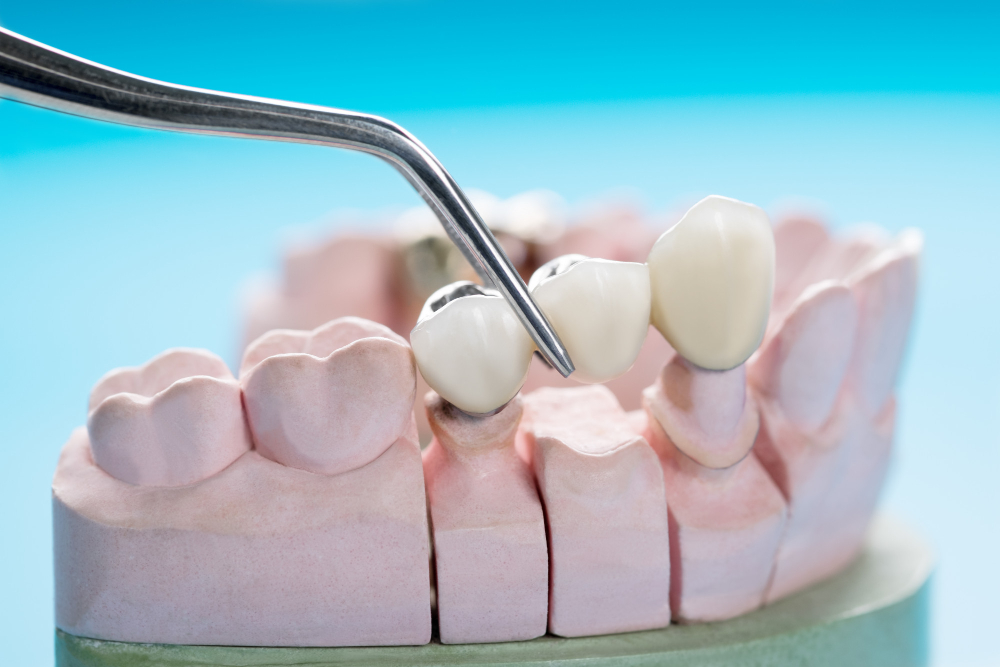
Dental bridges are fixed dental devices. They fill the gap left by one or more missing teeth. Usually, a bridge has one or more artificial teeth. These are held in place by crowns on the teeth next to the gap. Sometimes, dental implants can also support a bridge. According to the American Dental Association (ADA), bridges help restore your bite and keep your mouth healthy.
Who Is a Candidate for Dental Bridges?
Not everyone is a good candidate for dental bridges. However, many people with missing teeth may qualify. Dentists look at several factors to decide if you are a dental bridge candidate. For example, you may be a candidate if:
On the other hand, people with severe gum disease or weak nearby teeth may need other options. Still, your dentist will help you decide what is best for you.
Common Reasons for Needing Dental Bridges
There are many reasons why someone may need a dental bridge. Often, people lose teeth due to injury, decay, or gum disease. Here are some common reasons:
Because missing teeth can affect your health and confidence, dental bridges offer a reliable solution.
Benefits of Dental Bridges
Dental bridges offer many benefits for people with missing teeth. For instance, they can:
Additionally, dental bridges are often less invasive than implants. Many patients find them comfortable and easy to care for.
Considerations and Limitations
Even though dental bridges have many benefits, there are some things to consider. For example, bridges need healthy teeth on both sides of the gap. These teeth must be shaped to hold the crowns. Also, bridges may not last as long as implants. You may need to replace them after several years. Furthermore, good oral hygiene is important to keep your bridge and gums healthy. According to the ADA, regular dental visits help maintain your bridge.
How to Know If You Need a Dental Bridge
If you have missing teeth, you may wonder if a dental bridge is right for you. First, think about your needs and goals. Do you want a fixed solution? Are your nearby teeth healthy? Next, talk to your dentist. They will check your mouth and discuss your options. Sometimes, other treatments like implants or dentures may be better. However, many people find dental bridges to be a great choice.
Consultation and Next Steps
To sum up, dental bridges can help many people with missing teeth. If you think you might be a dental bridge candidate, schedule a dental visit. Your dentist will explain the benefits and risks. They will also help you choose the best missing teeth solution for your needs. For those looking for dental bridges in your area, ask your local dental clinic about their services. Consult a dentist to find out if a dental bridge is right for you.