Introduction
Missing teeth can affect your smile and your confidence. Many people look for the best tooth replacement options. Two popular choices are dental bridges and dental implants. Dental bridges fill the gap left by missing teeth, while dental implants replace the tooth root. Both options have benefits and drawbacks. In this blog, we will compare dental bridges vs dental implants to help you decide which is right for you.
What Are Dental Bridges?
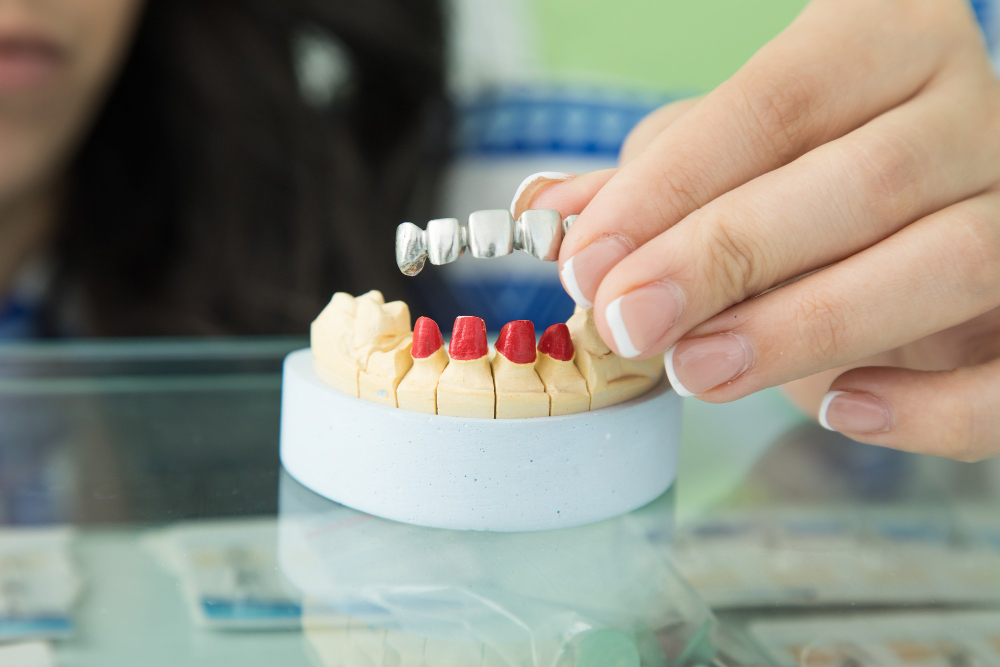
Dental bridges are false teeth held in place by the teeth next to the gap. Usually, a dentist attaches the bridge to the natural teeth on each side. Sometimes, crowns are placed on these teeth for extra support. Dental bridges can be made from porcelain, metal, or a mix of both. They help restore your smile and make it easier to chew and speak. According to the experts, dental bridges are a common and safe way to replace missing teeth.
What Are Dental Implants?
Dental implants are metal posts that a dentist places into your jawbone. After the post heals, a false tooth is attached to it. Because implants act like real tooth roots, they are strong and stable. Dental implants can last many years with good care. The World Health Organization (WHO) notes that dental implants are a reliable option for replacing missing teeth.
Key Differences Between Dental Bridges and Implants
Although both options replace missing teeth, there are important differences. For example, dental bridges use nearby teeth for support, while implants use the jawbone. Here are some key points:
Pros and Cons of Dental Bridges
When choosing dental bridges, it helps to know the benefits and drawbacks. Here are some to consider:
Pros and Cons of Dental Implants
Dental implants also have their own advantages and disadvantages. Consider these points:
How to Choose: Factors to Consider
Choosing between dental bridges and dental implants can be tough. However, several factors can help you decide:
For example, if you have bone loss, a bridge may be better. On the other hand, if you want a long-term fix, implants might suit you.
Cost Comparison
Cost is an important part of your decision. Generally, dental bridges cost less than implants. The cost of dental bridges can range from $500 to $1,200 per tooth. In contrast, dental implants may cost $3,000 or more per tooth. However, implants may last longer, which can save money over time. Prices can also vary by location. For example, dental bridges in large cities may cost more than in smaller towns. Always check with your dentist for an exact quote.
Frequently Asked Questions
Conclusion and Next Steps
Both dental bridges and dental implants are good ways to replace missing teeth. Each option has its own pros and cons. While dental bridges are quicker and cost less, implants last longer and help keep your jaw healthy. Still, your choice should depend on your health, needs, and budget. Consult your dentist to determine whether dental bridges or implants are best for your needs.