What Is a Dental Bridge?
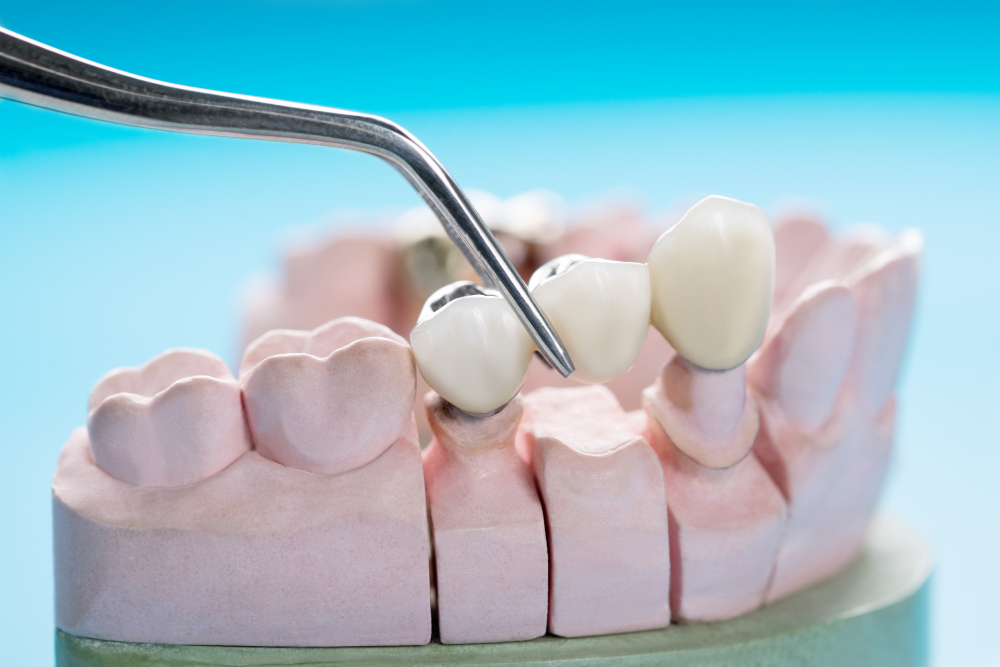
A dental bridge is a device that replaces one or more missing teeth. It uses nearby teeth or implants to hold the new tooth in place. Many people choose a dental bridge to restore their smile and chewing ability. According to the Centers for Disease Control and Prevention (CDC), dental bridges are a common solution for tooth loss.
How Does a Dental Bridge Work?
First, your dentist will check your mouth and take impressions. Then, the dentist prepares the teeth next to the gap. These teeth, called abutments, support the bridge. Next, the bridge is custom-made to fit your mouth. Finally, the dentist attaches the bridge, filling the gap with a false tooth. As a result, you can chew and speak more easily.
Pros of Dental Bridges
Dental bridges offer many benefits. For example, they can:
In addition, dental bridges are often less costly than implants. Many people find them comfortable and natural-looking.
Cons of Dental Bridges
However, dental bridges also have some disadvantages. For instance, they can:
Because of these dental bridge disadvantages, it is important to weigh your options carefully.
Who Should Consider a Dental Bridge?
Not everyone is a good candidate for a dental bridge. Still, you may consider one if you:
On the other hand, if your nearby teeth are weak or decayed, your dentist may suggest other options.
Alternatives to Dental Bridges
There are other ways to replace missing teeth. For example, you can consider:
Each option has its own pros and cons. Therefore, it is best to discuss them with your dentist.
Tips for Caring for Your Dental Bridge
Proper dental bridge care can help your bridge last longer. Here are some tips:
With good care, your dental bridge can serve you well for many years.
Frequently Asked Questions
How long does a dental bridge last?
Most dental bridges last 5 to 15 years. With good care, some last even longer.
Does getting a dental bridge hurt?
Most people feel little pain. Your dentist will numb the area during the procedure.
Can I eat normally with a dental bridge?
Yes, you can eat most foods. However, try to avoid very hard or sticky items.
Is a dental bridge right for me?
It depends on your mouth and needs. Your dentist can help you decide what is best.
In summary, dental bridges offer many benefits but also have some drawbacks. Because every mouth is different, it is wise to talk to your dentist. Consult your dentist to find out if a dental bridge is the best solution for your smile.