Introduction to Dental Implants
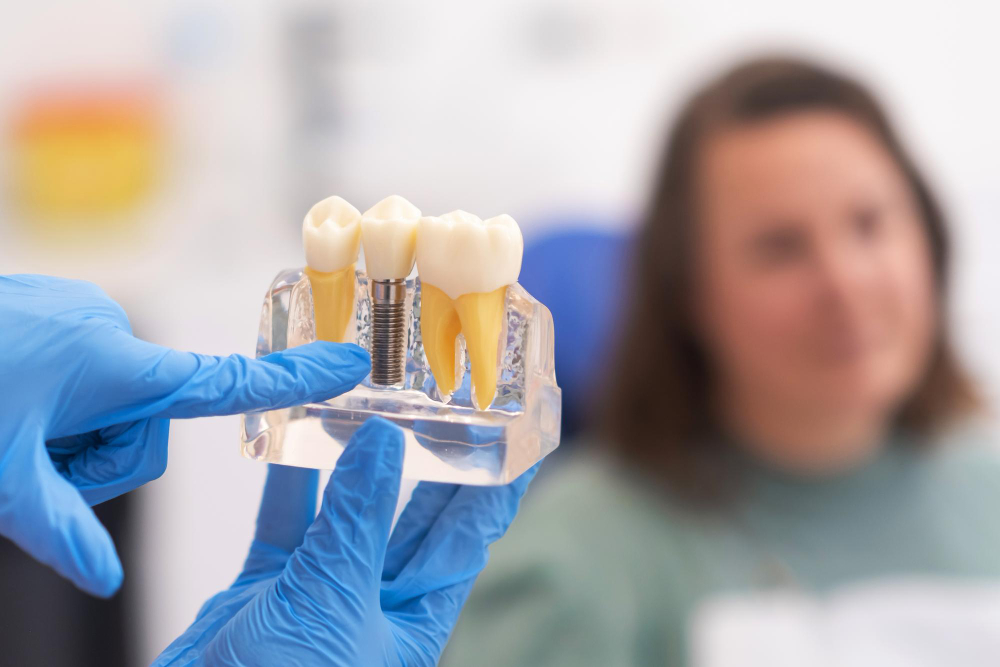
A dental implant is a small post placed in your jaw to hold a replacement tooth. Many people choose dental implants to restore missing teeth. Unlike dentures, dental implants stay fixed in your mouth. Because they look and feel like natural teeth, they are a popular choice. Dental implants help you chew, speak, and smile with confidence. In this blog, you will learn about dental implant benefits, the procedure, risks, and aftercare.
Benefits of Dental Implants
Dental implants offer many advantages over other tooth replacement options. For example, they are strong and stable. In addition, they can last many years with proper care. Here are some key dental implant benefits:
Because dental implants are fixed in place, you do not need to remove them for cleaning. This makes daily care easier for many people.
Who Is a Candidate for Dental Implants?
Not everyone can get a dental implant. However, many adults are good candidates. You may be a candidate if you:
Still, your dentist will check your mouth and health history before recommending a dental implant. Sometimes, extra steps like bone grafting are needed if your jawbone is thin.
The Dental Implant Procedure: Step-by-Step
The dental implant procedure usually takes several visits. Although each case is unique, most people follow these steps:
Because healing takes time, the whole dental implant procedure may last several months. However, the results are long-lasting.
Risks and Possible Complications
Dental implants are safe for most people. Still, as with any surgery, there are risks. For example, you may have:
Although these problems are rare, your dentist will discuss dental implant risks with you. Choosing an experienced dental specialist can lower your risk. According to the American Dental Association, dental implants have a success rate of over 95% (source: ADA).
Aftercare and Recovery Tips
Proper dental implant aftercare helps you heal and keeps your implant healthy. Here are some tips:
Because good care is important, follow your dentist’s advice closely. This will help your dental implant last for many years.
Frequently Asked Questions About Dental Implants
Conclusion
Dental implants are a strong and natural-looking way to replace missing teeth. They offer many benefits and can last for years with proper care. However, it is important to know the risks and follow aftercare steps. For the best results, consult a dental specialist for personalized advice.