What Are Cracked Teeth?
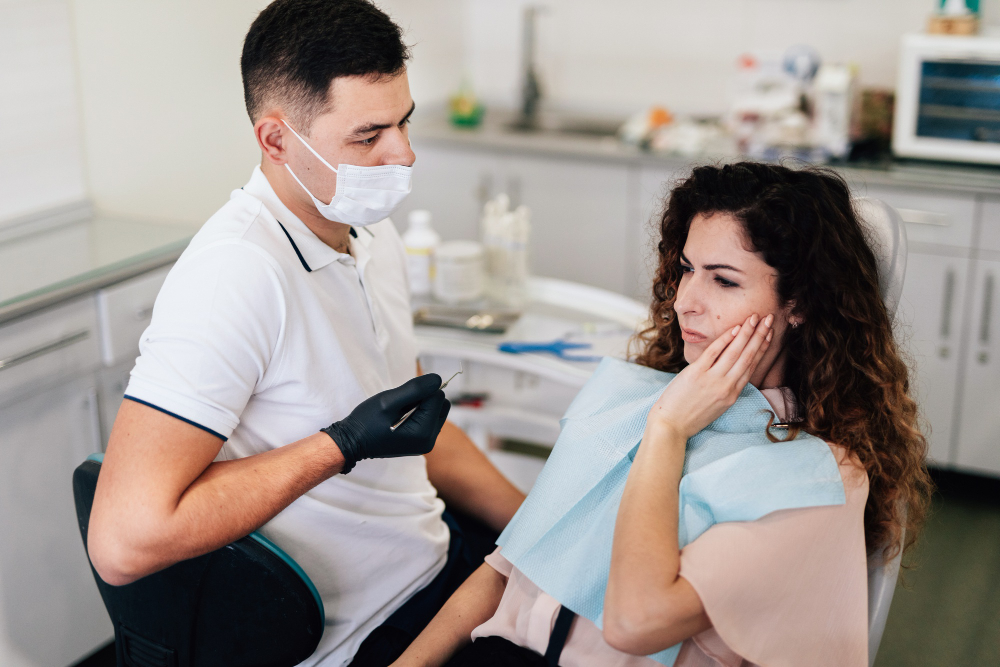
Cracked teeth are teeth that have small lines or breaks in them. These cracks can be shallow or deep. Sometimes, you may not notice a crack right away. However, even small cracks can cause pain or lead to bigger dental problems. Understanding preventive measures for cracked teeth helps you keep your smile strong and healthy.
Why Prevention Matters
Preventing cracked teeth is important for your dental health. Once a tooth cracks, it may not heal on its own. In fact, cracks can get worse over time. This can lead to pain, infection, or even tooth loss. Therefore, taking steps to avoid tooth cracks saves you from discomfort and costly treatments.
Common Causes of Cracked Teeth
Many things can cause teeth to crack. Knowing these causes helps you avoid them. For example, some common reasons include:
Because these causes are common, being aware of them is the first step to prevention.
Effective Preventive Measures
There are many ways to protect your teeth from cracks. For instance, you can:
By following these preventive measures for cracked teeth, you lower your risk of damage.
Daily Oral Care Tips
Good oral care keeps your teeth strong. In addition, it helps prevent cracks. Try these daily dental health tips:
Because strong teeth are less likely to crack, daily care is key.
Foods and Habits to Avoid
Some foods and habits can increase your risk of cracked teeth. For example, you should avoid:
Although these habits may seem harmless, they can lead to tooth cracks over time.
When to See a Dentist
Sometimes, you may not notice a cracked tooth right away. However, you should see a dentist if you:
Because early treatment can prevent bigger problems, do not wait to get help.
Conclusion & Call-to-Action
In summary, taking preventive measures for cracked teeth is simple and effective. By caring for your teeth daily and avoiding risky habits, you protect your smile. If you notice any signs of a cracked tooth, consult a dentist for personalized preventive care. Your healthy smile is worth it!