Introduction
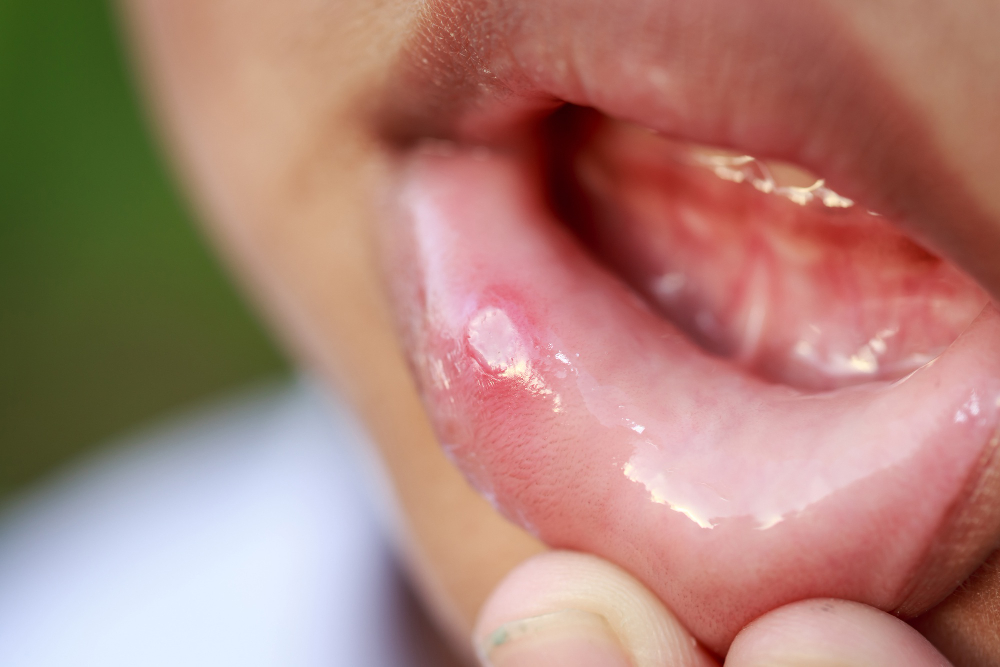
Oral Lichen Planus and mouth ulcers are two common conditions that affect the inside of the mouth. Oral Lichen Planus is a long-lasting disease that causes white patches or sores in the mouth. On the other hand, mouth ulcers are small, painful sores that usually heal quickly. Although both can cause discomfort, they are different in many ways. Understanding the difference between Oral Lichen Planus and mouth ulcers helps you get the right treatment and care.
Symptoms: How Do They Differ?
Both conditions can cause mouth pain, but their symptoms are not the same. Knowing what to look for can help you tell them apart. For example, Oral Lichen Planus often looks different from a simple mouth ulcer.
While both can hurt, Oral Lichen Planus often lasts longer and may not heal on its own. In contrast, mouth ulcers usually go away without treatment.
Causes: What Triggers Each Condition?
Understanding the causes can help you prevent or manage these problems. However, the reasons behind each are quite different.
So, while both can be painful, their causes are not the same. Oral Lichen Planus is more about the immune system, while mouth ulcers often result from injury or irritation.
Diagnosis: How Are They Identified?
Proper diagnosis is important for both conditions. Although some symptoms may look similar, dentists use different methods to tell them apart. For example, Oral Lichen Planus diagnosis may need special tests.
Because Oral Lichen Planus can sometimes look like other diseases, a biopsy is often needed. In contrast, mouth ulcers are usually easy to spot and diagnose.
Treatment: What Are the Options?
Treatment depends on the cause and severity of the condition. While some cases need only simple care, others may require medicine.
For both conditions, following your dentist’s advice is important. Sometimes, Oral Lichen Planus may need long-term care, while mouth ulcers usually heal faster.
Prevention & Lifestyle Tips
Although you cannot always prevent these conditions, some steps can help reduce your risk. For example, healthy habits can make a big difference.
By following these tips, you can help keep your mouth healthy and lower your chances of problems.
When to See a Dentist
Sometimes, mouth sores are a sign of a more serious problem. Therefore, you should see a dentist if:
Early diagnosis and treatment can prevent complications and help you feel better sooner.
Conclusion
In summary, Oral Lichen Planus and mouth ulcers may seem similar, but they have key differences in symptoms, causes, and treatment. If you notice persistent mouth sores or unusual oral symptoms, consult a dental specialist for personalized advice.
Sources: World Health Organization (WHO), Centers for Disease Control and Prevention (CDC), and peer-reviewed dental journals.