Did you know your mouth is a window to your body’s health? Oral health and general health are closely linked. Good oral hygiene and overall wellness go hand in hand. In fact, how dental health affects the body may surprise you. For example, gum disease can lead to other health problems. That’s why following oral health tips for better health is so important. This blog explains the connection and offers simple steps for a healthier life.
What Is Oral Health?
Oral health means more than just having clean teeth. It includes the health of your gums, tongue, and mouth. Healthy mouths help you eat, speak, and smile with confidence. However, poor oral care can lead to pain, infection, and even tooth loss. For this reason, taking care of your mouth is a key part of staying healthy overall.
How Oral Health Impacts General Health
Many people do not realize that oral health and general health are connected. For instance, bacteria from your mouth can enter your bloodstream. This may cause problems in other parts of your body. In addition, gum disease has been linked to heart disease and diabetes. According to the CDC, keeping your mouth healthy can lower your risk for these conditions. So, caring for your teeth and gums helps protect your whole body.
Common Conditions Linking Mouth and Body
Several health problems are linked to poor oral health. Here are some examples:
Because of these links, keeping your mouth healthy is important for your whole body.
Signs and Symptoms to Watch For
It is important to notice signs of oral health problems early. For example, watch for:
If you notice any of these symptoms, see a dentist soon. Early care can prevent bigger problems.
Prevention and Oral Hygiene Tips
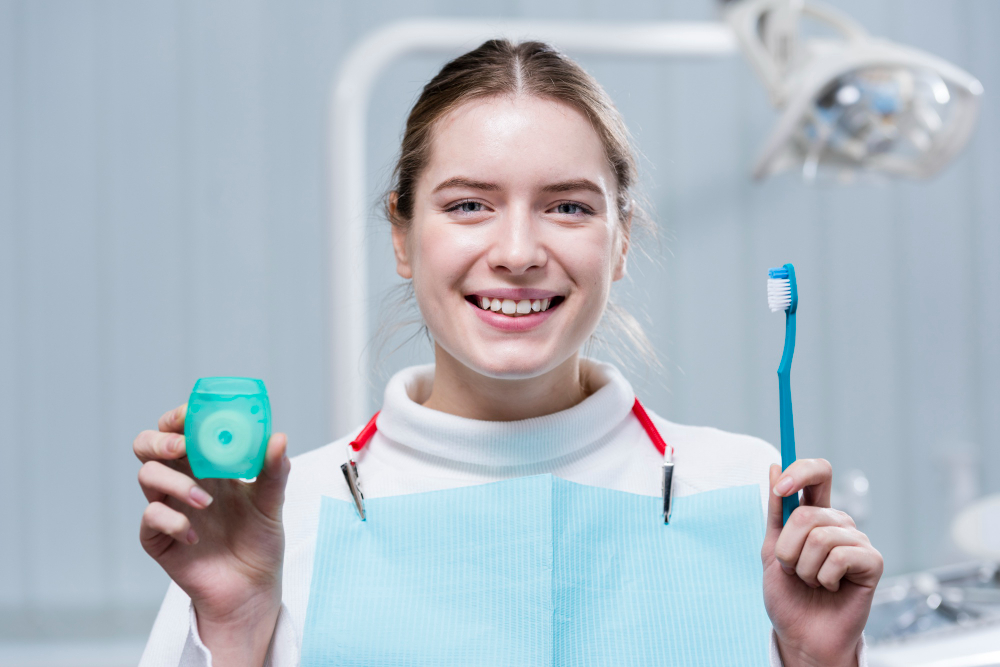
Good oral hygiene and overall wellness start with daily habits. Here are some simple tips:
By following these steps, you can help protect both your mouth and your body.
When to See a Dentist
Regular dental visits are important for everyone. Even if you feel fine, a dentist can spot problems early. For example, you should see a dentist if you have:
In addition, children and older adults may need extra care. So, do not wait for pain to get help. Early visits can save you time and money.
Conclusion
To sum up, oral health and general health are closely linked. Simple steps at home can protect your mouth and your body. If you have questions or notice any problems, consult a dental professional for personalized advice on maintaining both oral and general health.
Sources: Centers for Disease Control and Prevention (CDC), World Health Organization (WHO)