Introduction
Many people want a brighter smile, so teeth whitening is very popular. However, there are many myths and facts about teeth whitening. Understanding the truth helps you choose safe teeth whitening methods. In this blog, we will explore teeth whitening myths debunked and share professional teeth whitening facts. This way, you can make informed choices for your dental health.
What Is Teeth Whitening?
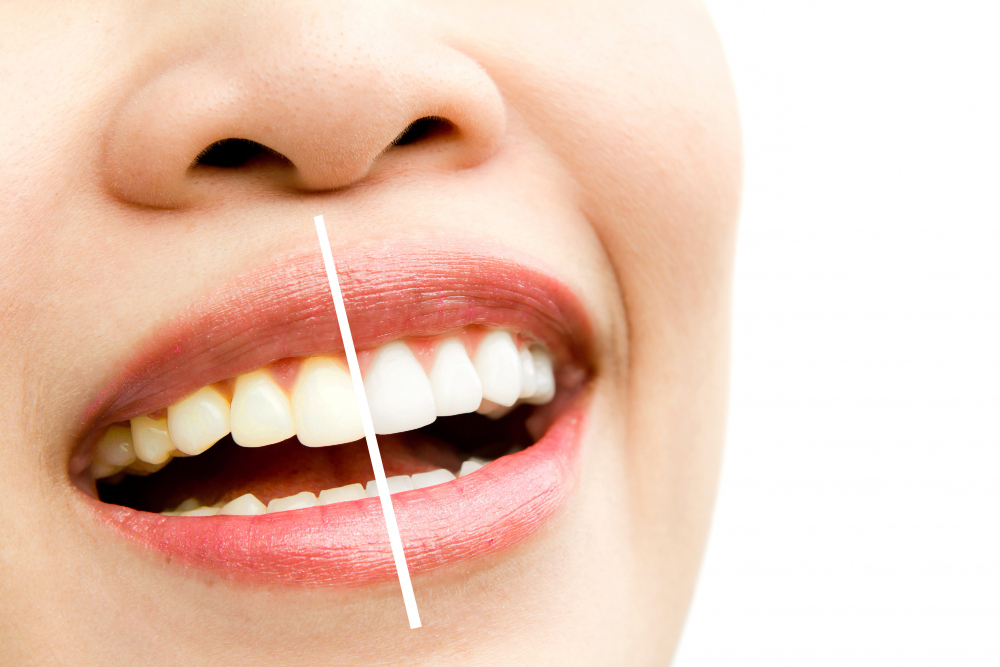
Teeth whitening is a process that lightens the color of your teeth. It removes stains and discoloration caused by food, drinks, smoking, or aging. There are several ways to whiten teeth, including:
While many options exist, not all are equally safe or effective. Therefore, knowing the facts is important before starting any teeth whitening method.
Common Myths About Teeth Whitening
There are many myths about teeth whitening. Let’s look at some of the most common ones:
However, believing these myths can lead to poor results or even harm your teeth.
Facts About Teeth Whitening
Now, let’s clear up the confusion with some facts about teeth whitening:
According to the American Dental Association (ADA), safe teeth whitening methods are available, but not all products are equal.
Safe Teeth Whitening Practices
For best results, always choose safe teeth whitening methods. Here are some tips:
Additionally, brushing and flossing daily helps keep your smile bright.
Risks and Side Effects
While teeth whitening is generally safe, there are some risks and side effects. For example, you may experience:
Usually, these side effects are mild and go away after treatment. However, using products too often or incorrectly can cause more serious problems. Therefore, always follow your dentist’s advice.
When to Consult a Dentist
Before starting any teeth whitening treatment, it is wise to consult a dental professional. You should see a dentist if:
A dentist can recommend the best and safest option for your needs. This helps protect your teeth and ensures good results.
Conclusion
In summary, teeth whitening can brighten your smile, but it is important to know the facts. Do not fall for common myths. Instead, use safe teeth whitening methods and consult a dental professional for personalized teeth whitening advice. Your dentist can help you achieve a healthy, bright smile safely.