Introduction
Dental onlays and inlays are special types of tooth repair. They help fix teeth that have damage or decay. Many people wonder when to use onlays & inlays instead of regular dental fillings or crowns. In this blog, you will learn what onlays and inlays are, when dentists recommend them, and how they can help restore your smile. Understanding these options can help you make better choices for your dental health.
What Are Dental Onlays and Inlays?
Onlays and inlays are custom-made pieces that fit into or onto a damaged tooth. Dentists use them when a tooth has too much damage for a simple filling but does not need a full crown. Both are made from strong materials like porcelain, ceramic, or gold. Inlays fit inside the top edges of the tooth, while onlays cover one or more edges or cusps. Because they are made to fit your tooth, they look and feel natural.
When Are Onlays & Inlays Recommended?
Often, dentists suggest onlays & inlays when a tooth has moderate decay or a crack. For example, if a regular filling would not be strong enough, these options may work better. Here are some common reasons:
In the United States, many dentists use onlays and inlays for back teeth, where chewing pressure is high. However, your dentist will decide what is best for your situation.
Benefits of Onlays & Inlays
Onlays and inlays offer several benefits over regular fillings or crowns. For instance, they:
Because they are custom-made, they fit your tooth perfectly. This means you can chew and smile with confidence.
The Procedure: What to Expect
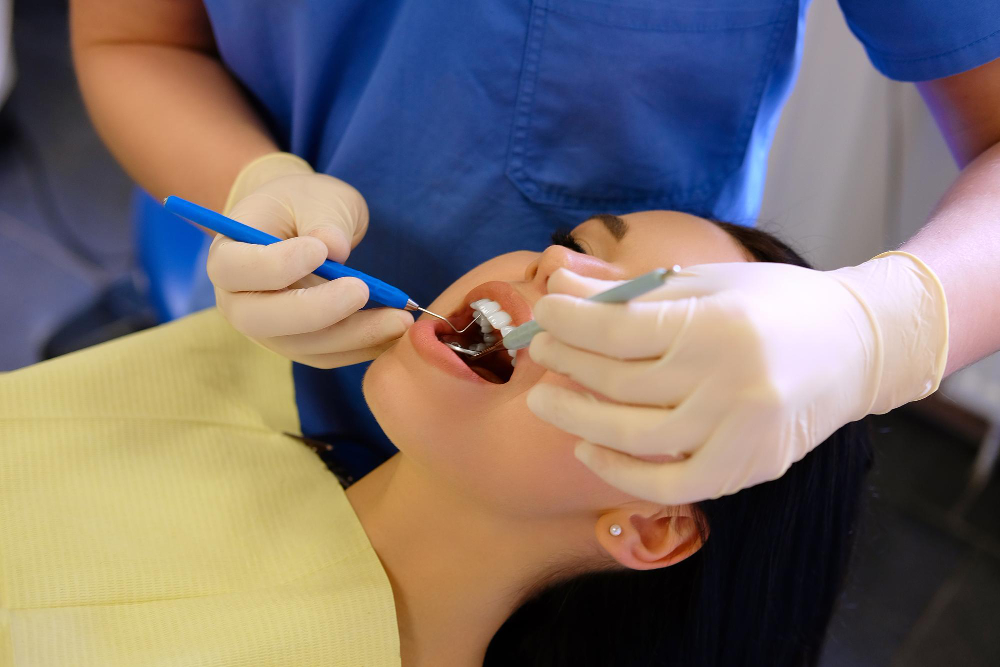
First, your dentist will check your tooth and remove any decay. Next, they will take a mold or digital scan of your tooth. This helps create a custom inlay or onlay that fits just right. While you wait for the final piece, you may get a temporary filling. Once your onlay or inlay is ready, your dentist will bond it to your tooth. The process usually takes two visits. However, some dental offices offer same-day options using special machines.
Aftercare and Longevity
After getting an onlay or inlay, you should care for it like your other teeth. Brush twice a day and floss daily. Also, visit your dentist for regular check-ups. With good care, onlays and inlays can last 10 years or more. Sometimes, they last even longer. If you grind your teeth, your dentist may suggest a mouthguard to protect your dental work.
Prevention and Oral Health Tips
To avoid needing onlays or inlays, keep your teeth healthy. Here are some simple tips:
By following these steps, you can lower your risk of tooth decay and damage.
Conclusion
Onlays and inlays are strong, natural-looking ways to repair damaged teeth. They are often used when a filling is not enough but a crown is too much. If you have a damaged or decayed tooth, talk to your dentist about your options. Consult your dentist to find out if onlays or inlays are right for you.
Sources: American Dental Association (ADA), Centers for Disease Control and Prevention (CDC)