Introduction to Dentures
Many people lose teeth due to age, injury, or disease. Dentures are a common solution for missing teeth. In fact, dentures help restore your smile and make eating easier. If you are considering dentures, you may wonder about the types of dentures available. This blog will explain full dentures, partial dentures, and how to choose the best dentures for you.
What Are Full Dentures?
Full dentures replace all the teeth in your upper or lower jaw. They sit on your gums and are custom-made to fit your mouth. Usually, dentists suggest full dentures when you have lost all your teeth in one or both jaws. These dentures are removable, so you can take them out for cleaning or sleeping.
What Are Partial Dentures?
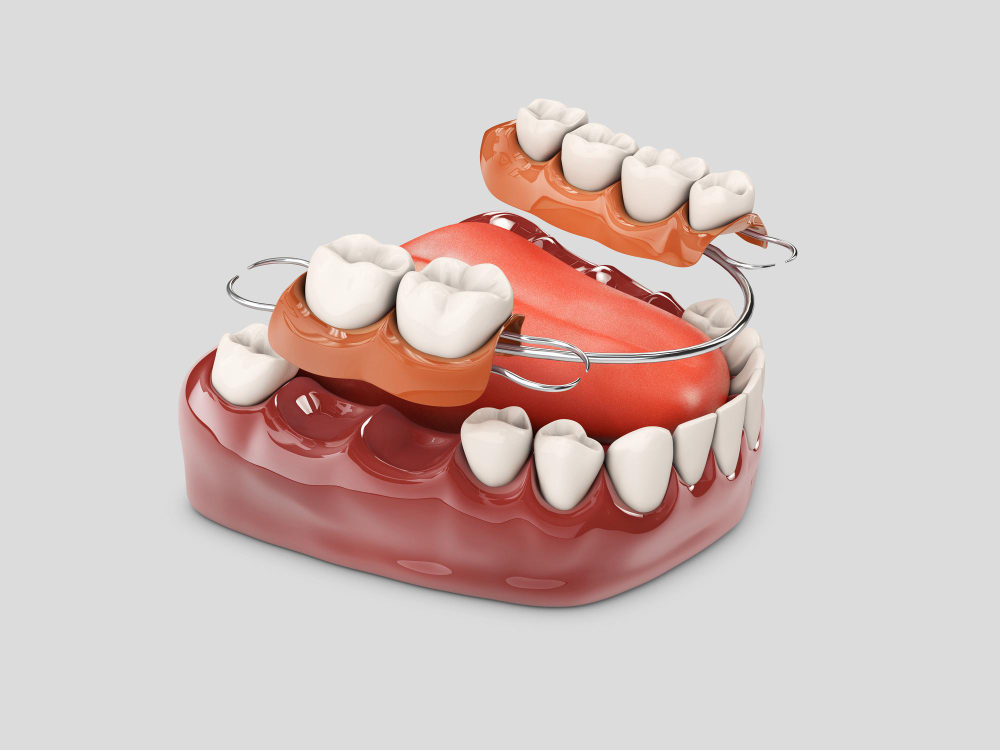
Partial dentures are for people who still have some natural teeth. They fill the gaps where teeth are missing. Partial dentures use metal or plastic clasps to attach to your remaining teeth. Like full dentures, partial dentures are also removable. However, they only cover the areas where teeth are missing.
Key Differences Between Full and Partial Dentures
It is important to know the main differences between full and partial dentures. Here are some key points:
Who Should Consider Full Dentures?
Full dentures are best for people who have lost all their teeth in the upper or lower jaw. For example, if gum disease or injury has caused you to lose every tooth, full dentures may be the right choice. Also, if your remaining teeth are weak or damaged, your dentist might suggest removing them and fitting full dentures.
Who Should Consider Partial Dentures?
Partial dentures are ideal if you still have some healthy teeth. They help fill spaces and prevent your natural teeth from shifting. If you have lost a few teeth due to decay or injury, partial dentures can restore your smile. In addition, they help you chew food better and speak more clearly.
Pros and Cons of Each Option
Both full and partial dentures have benefits and drawbacks. Consider these points:
How to Choose the Right Dentures for You
Choosing dentures depends on your dental health and needs. Here are some tips to help you decide:
Remember, your dentist will guide you based on your mouth’s condition and your personal needs.
Care and Maintenance Tips
Proper care keeps your dentures clean and your mouth healthy. For best results:
Prevention and Oral Health Guidance
Even with dentures, you need to care for your mouth. For example, clean your gums and tongue every day. Also, eat a balanced diet to keep your mouth healthy. Avoid sticky or hard foods that can damage dentures. Most importantly, see your dentist if you notice pain, sores, or loose dentures.
Conclusion and Next Steps
In summary, both full and partial dentures can restore your smile and help you eat better. The best dentures for you depend on your dental health and personal needs. If you are unsure, consult a dental specialist to determine which type of dentures is best for your needs.