Introduction: Understanding Wisdom Tooth Problems
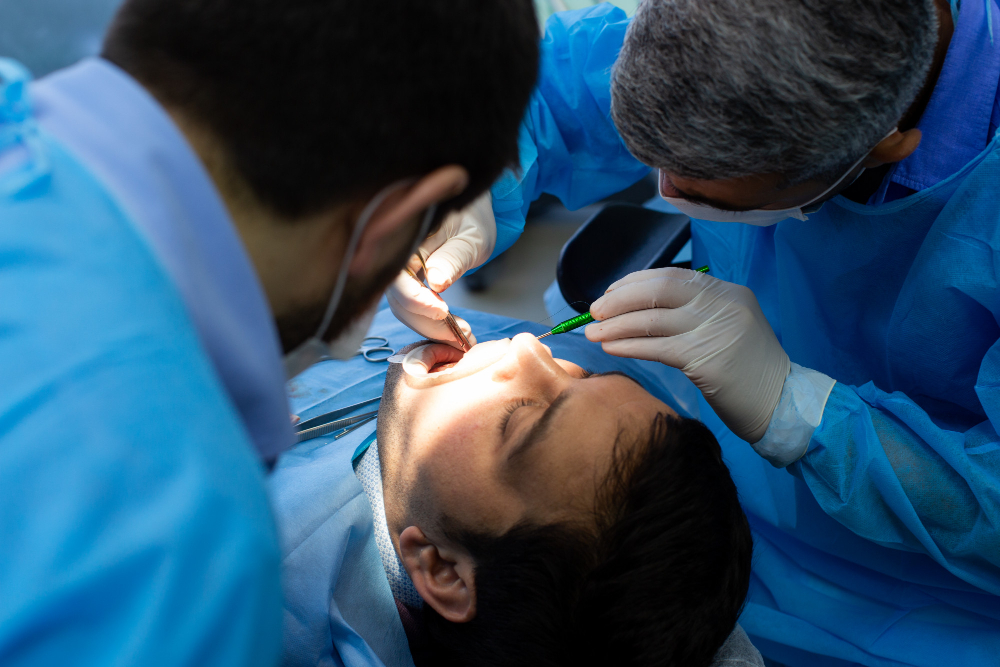
Many people face wisdom tooth problems in their late teens or early twenties. Often, these teeth do not have enough space to grow. As a result, they may become trapped or grow at an angle. This can cause pain, swelling, or infection. For these reasons, dentists may suggest wisdom tooth surgery. However, wisdom tooth surgery complications can sometimes occur. Knowing what to expect helps you prepare for a safe recovery.
Common Complications After Wisdom Tooth Surgery
Although most people recover well, some may face side effects after wisdom tooth removal. Below are the most common wisdom tooth surgery complications:
Symptoms to Watch For
After wisdom tooth removal, it is important to watch for warning signs. Early action can prevent serious problems. Look out for these symptoms:
If you notice any of these, contact your dentist right away.
Prevention Tips: How to Minimize Risks
While some risks are hard to avoid, you can lower your chances of wisdom tooth surgery complications. Here are some helpful tips:
By following these steps, you can help your mouth heal faster.
When to See a Dentist
Sometimes, problems can happen even with good care. Therefore, it is important to know when to seek help. See your dentist if you have:
Quick action can prevent further issues and protect your health.
Recovery and Self-Care After Wisdom Tooth Surgery
Proper care after wisdom tooth removal helps you heal well. Here are some simple self-care tips:
Most people start to feel better within a few days. However, full healing may take up to two weeks.
Conclusion
In summary, wisdom tooth surgery complications can happen, but most are mild and short-lived. By knowing the risks, watching for warning signs, and following your dentist’s advice, you can recover safely. If you have any concerns, do not wait—consult a dental specialist for personalized advice and safe recovery after wisdom tooth surgery.